Project Overview
As one of my first larger tasks on the FSAE team, this project marked the team's transition to electric vehicles. For the UT22 car, I was responsible for the mechanical design and manufacturing of the high voltage (HV) box - the critical electrical enclosure that houses safety critical power electronics. My focus was on creating a robust, manufacturable, and waterproof mechanical enclosure.
Mechanical Design Challenge
The HV box needed to be completely waterproof while being lightweight and easily manufacturable. As a mechanical engineer, I designed the enclosure to meet FSAE's safety requirements while optimizing for manufacturability. The design had to accommodate electrical components, provide access for maintenance, and integrate seamlessly with the vehicle's chassis.
Design & Manufacturing Approach
I developed a sheet metal enclosure design using aluminum that could be efficiently manufactured:
- Waterjet cutting for precise part dimensions and complex geometries
- Bendable aluminum construction allowing for compound curves and tight radii
- Mechanical fastening systems with gaskets for waterproof integrity
- Access panels and service ports designed for maintenance efficiency
- Chassis integration features for secure vehicle mounting


Key Achievements
Manufacturable Design
Created a sheet metal enclosure that could be efficiently produced using available shop Equipment
Waterproof Integrity
Designed mechanical sealing system that would pass a rain test
Integration Excellence
Developed mounting interfaces that seamlessly integrated with the vehicle's chassis while providing access for electrical maintenance
Technologies Used
Related FSAE Projects
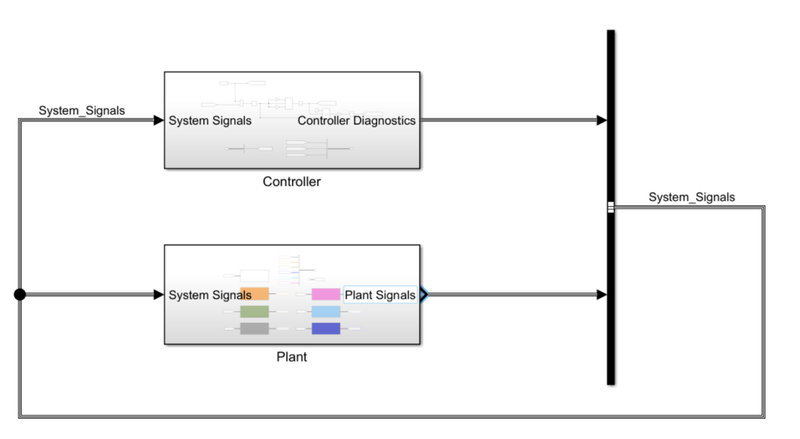
Integrated MATLAB Simulink Lap Simulation
2025Led development of integrated MATLAB Simulink framework advancing from steady-state to transient simulations, collaborating with powertrain and vehicle dynamics teams to integrate existing models and implement comprehensive multi-physics modeling with Vi-grade and Adams integration.
Impact: Established transient simulation capabilities enabling real-time analysis of complex vehicle dynamics, electrical systems, and thermal management interactions
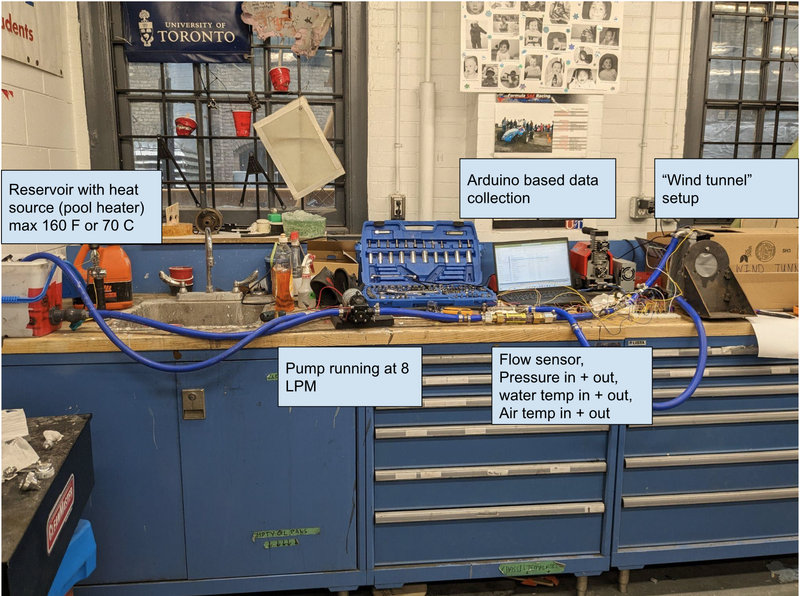
Radiator Characterization & Testing
2024Designed and built UTFR's first comprehensive radiator characterization test bench with custom circuit board for data acquisition, featuring 1 flow rate sensor, 2 pressure sensors, 2 water temperature sensors, 2 air temperature sensors, and hot wire anemometer - all logged directly to computer. This marked the first experimental radiator testing in team history and generated valuable thermal performance data.
Impact: Established experimental thermal testing capabilities and generated comprehensive radiator performance database for CFD validation and cooling system design
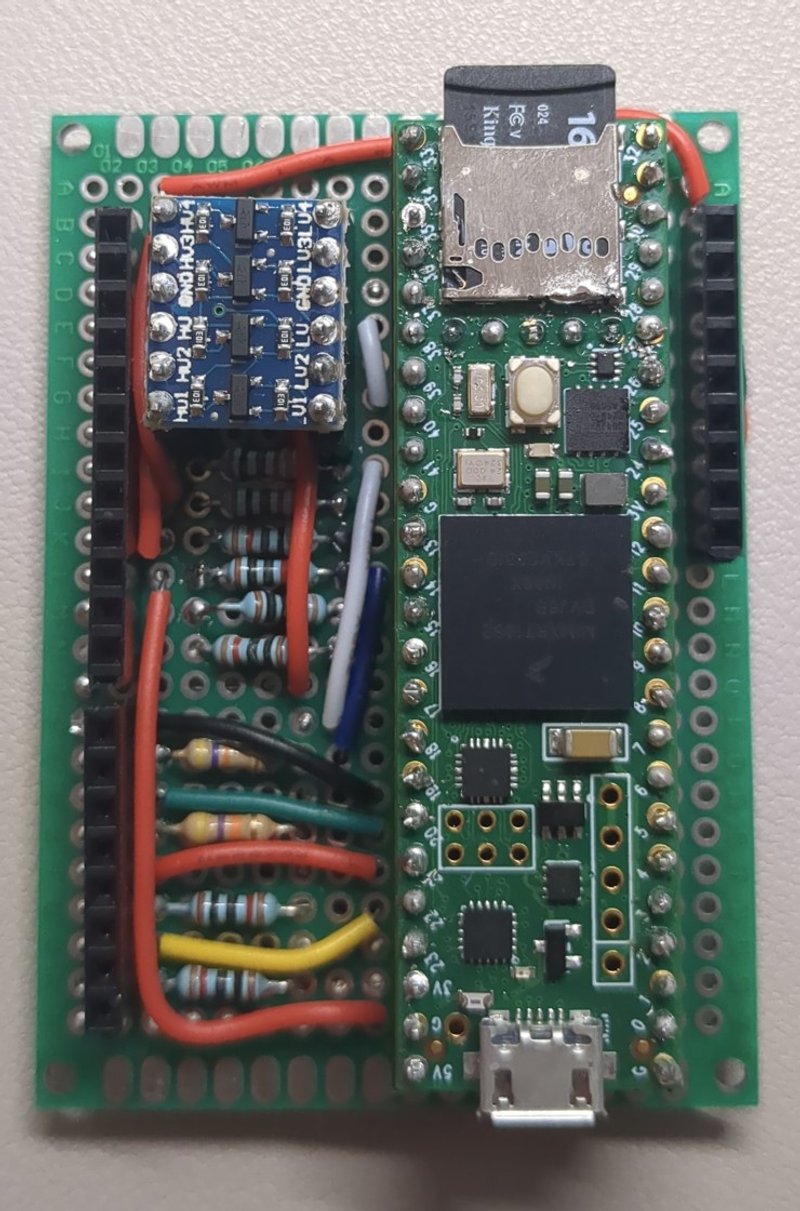
Drivetrain Datalogger
2025Developed a custom drivetrain datalogger system to log cooling and strain gauge data during testing days on the 2024 car for 2025 development. Programmed a Teensy microcontroller and wired up all the circuitry myself, learning to crimp Molex wires and harness wires throughout the car to gather data on an onboard SD card. This data was then correlated with simulations for improved force and load analysis.
Impact: Established comprehensive data acquisition capabilities enabling correlation between experimental data and simulations for enhanced force and load analysis in vehicle development