Project Overview
As part of the UT25 FSAE vehicle development, I implemented a comprehensive strain gauge testing program to capture accurate load data on critical structural components. This project involved installing strain gauges on tie rods and motor mounts, performing manual calibration procedures, and developing the foundation for real-time load monitoring during testing.
Strain Gauge Installation
I installed strain gauges on two critical components:
- Tie Rods: Front suspension tie rods to measure steering and braking loads
- Motor Mounts: Engine bay motor mounts to characterize drivetrain vibration and torque loads
Manual Calibration Process
With limited access to professional calibration equipment, I developed a manual calibration methodology:
Circuit Setup
Designed and implemented Wheatstone bridge circuits for accurate strain measurement
Known Load Application
Applied precisely measured loads using heavy objects and mechanical advantage systems
Data Correlation
Established calibration curves correlating strain readings to actual applied forces
Drivetrain Datalogger Integration
Building on the manual calibration work, I designed the drivetrain datalogger system to capture these strain measurements during actual testing days. This system enables real-time monitoring of structural loads under dynamic driving conditions.

Strain gauge installation on motor mount showing precise placement and wiring

Strain gauge mounted on tie rod for steering load measurement
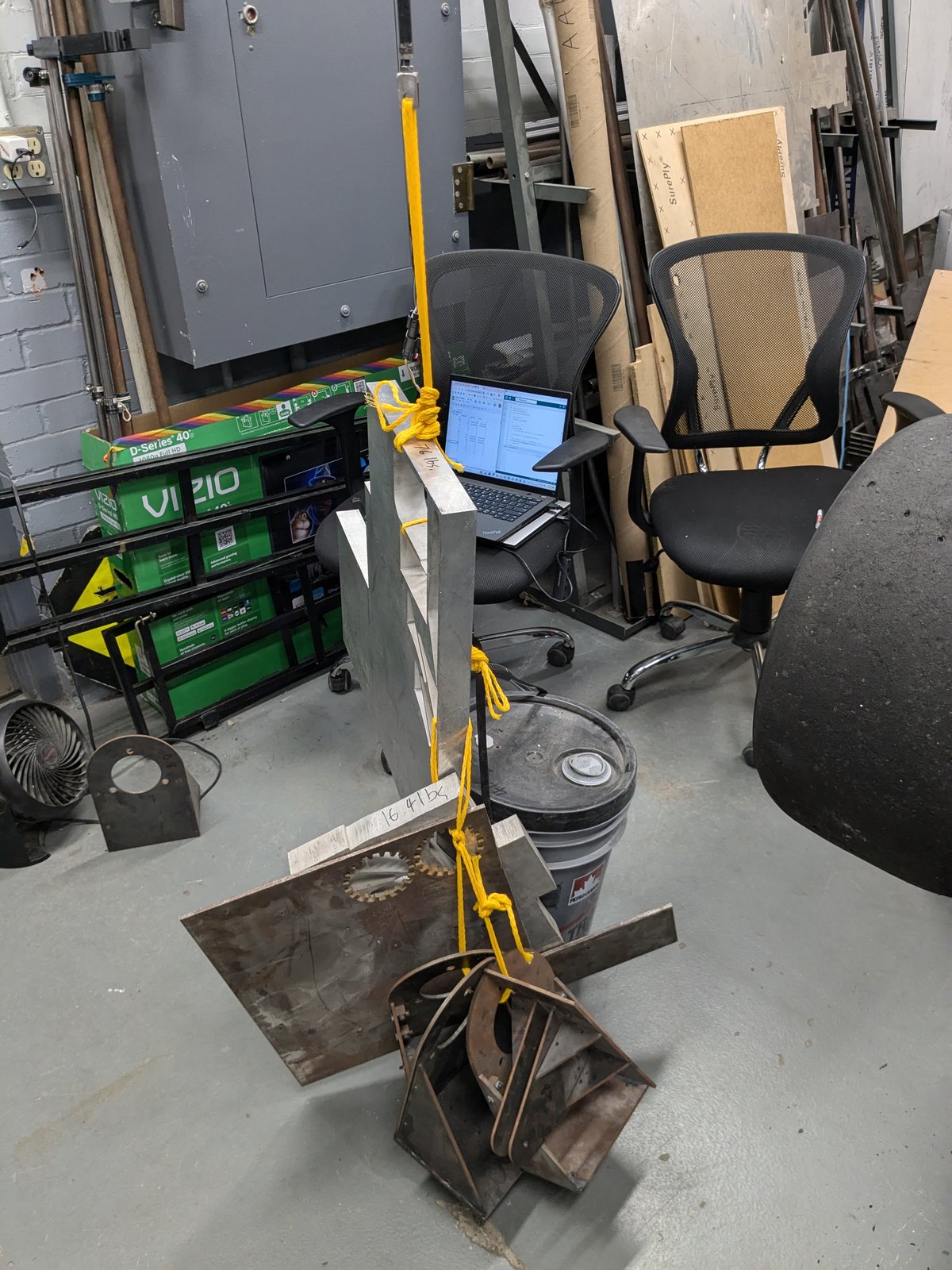
Manual calibration setup with known load application
Calibration Results
The calibration process yielded accurate measurement capabilities:
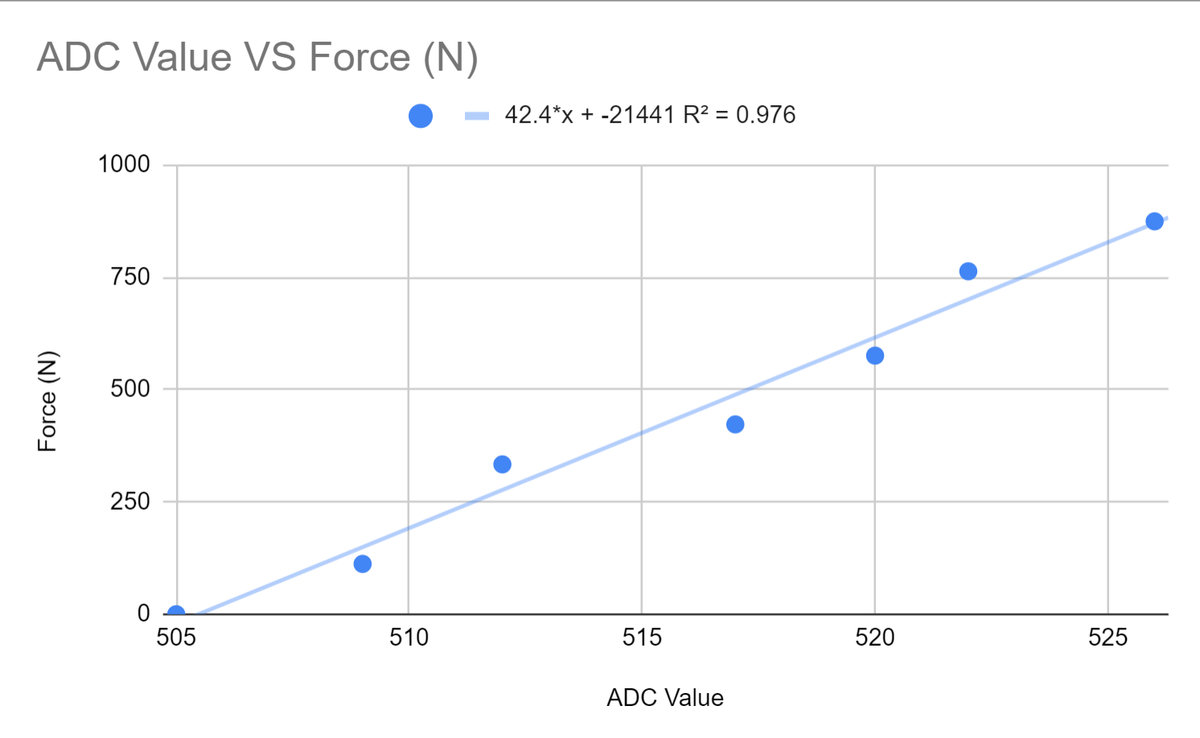
Motor mount calibration curve showing linear relationship between applied load and strain reading
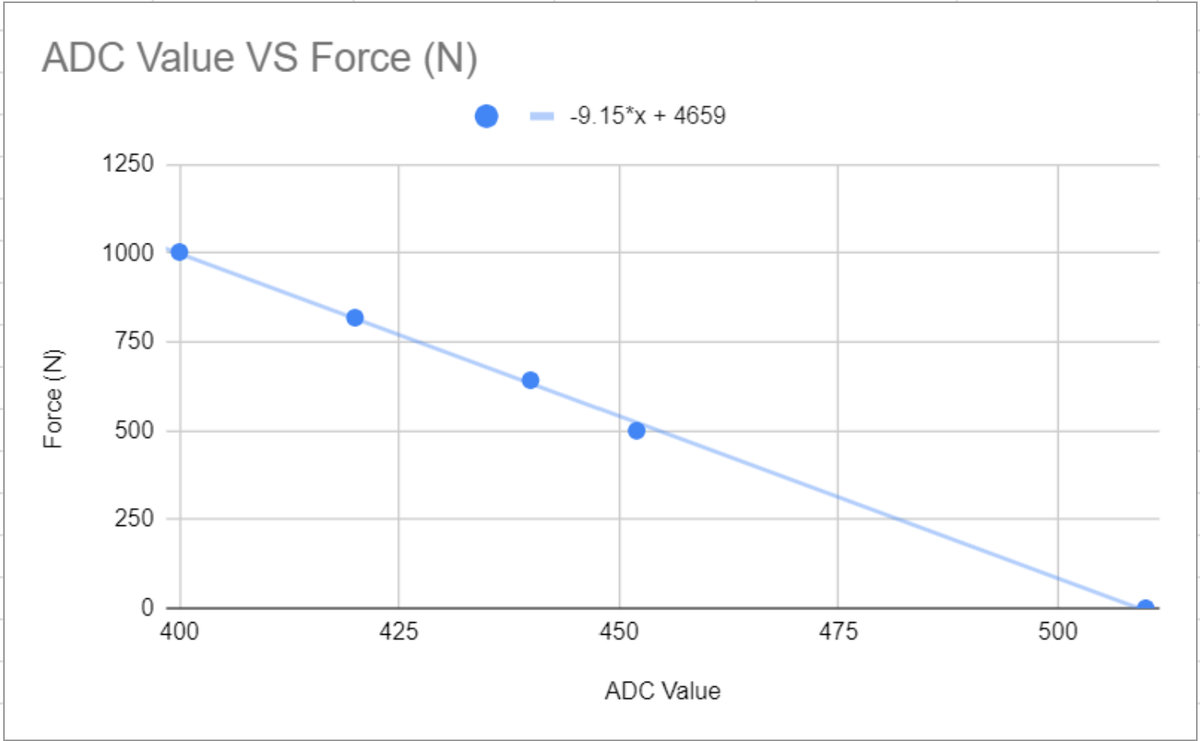
Tie rod calibration curve demonstrating accurate force measurement correlation
Impact & Applications
This strain gauge testing program provides critical data for:
- Data-driven optimization of structural component designs
- Validation of FEA models with real-world load data
- Real-time monitoring during endurance testing
- Failure analysis and reliability improvements
- Future development of autonomous load monitoring systems
Related FSAE Projects
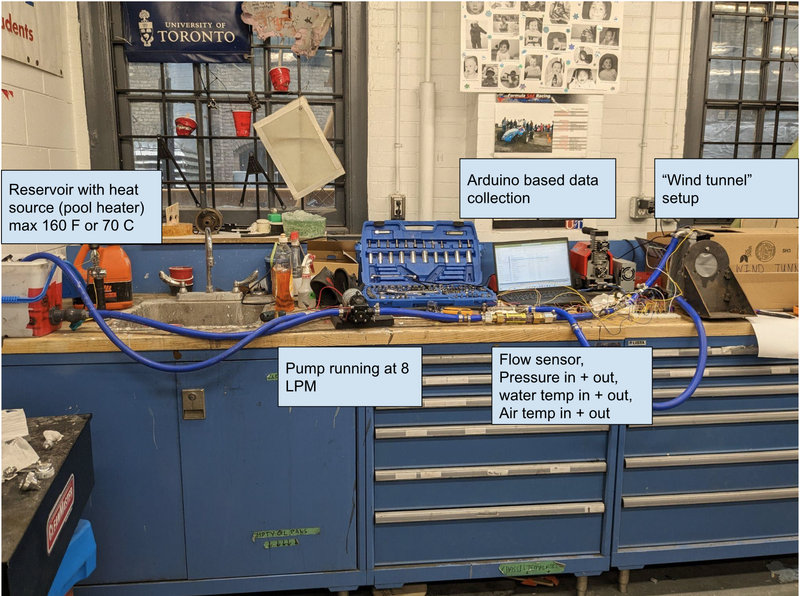
Radiator Characterization & Testing
2024Designed and built UTFR's first comprehensive radiator characterization test bench with custom circuit board for data acquisition, featuring 1 flow rate sensor, 2 pressure sensors, 2 water temperature sensors, 2 air temperature sensors, and hot wire anemometer - all logged directly to computer. This marked the first experimental radiator testing in team history and generated valuable thermal performance data.
Impact: Established experimental thermal testing capabilities and generated comprehensive radiator performance database for CFD validation and cooling system design
Drivetrain Datalogger
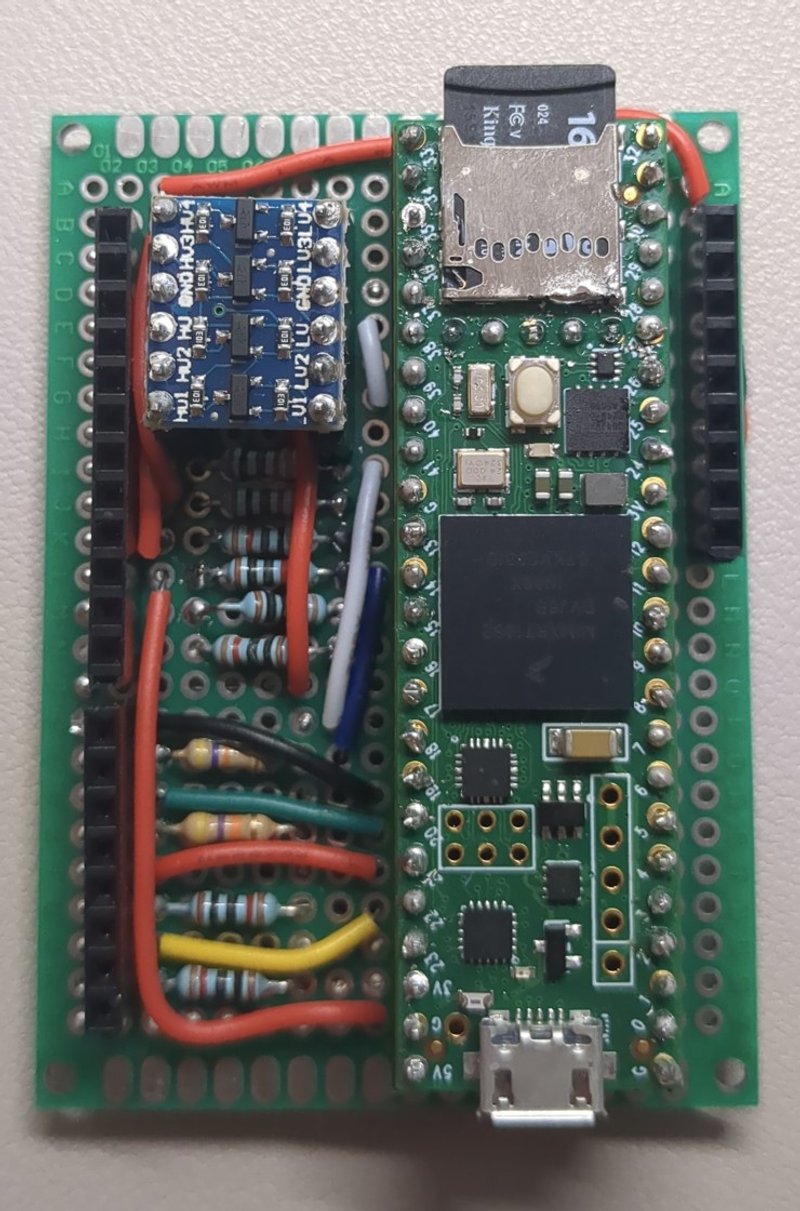
2025Developed a custom drivetrain datalogger system to log cooling and strain gauge data during testing days on the 2024 car for 2025 development. Programmed a Teensy microcontroller and wired up all the circuitry myself, learning to crimp Molex wires and harness wires throughout the car to gather data on an onboard SD card. This data was then correlated with simulations for improved force and load analysis.
Impact: Established comprehensive data acquisition capabilities enabling correlation between experimental data and simulations for enhanced force and load analysis in vehicle development